The Data Center Workforce Challenge: How Do We Build Capacity for Tomorrow?

Tiago Pina
Campus Construction Manager
Facebook
PCD-T2-AM
Tuesday 1st December 2026
11:00 am - Workshop E: Sustaining High-Performing Teams & Partnerships to Successfully Deliver Mega Projects With a 1000+ Workforce

Aja Gower
Senior Workforce Development Manager
Holder Construction
Aja Gower is Senior Workforce Development Manager at Holder Construction, where she develops initiatives that connect project demand with local workforce and community opportunities. In the case study The STAR Program: Building the Next Generation of Data Center Talent Through Owner-Contractor Collaboration, Aja will discuss how owners, contractors, trade partners and educational institutions can create sustainable talent pipelines. She will also examine how hiring, retention and community-impact measures can demonstrate value beyond the immediate construction programme.
Day 1 - T5 - AM
Wednesday 2nd December 2026
10:50 am - Case Study: The STAR Program: Building the Next Generation of Data Center Talent Through Owner-Contractor Collaboration

Jordan Grimm
Director, Critical Pursuits & Planning Mission Critical
Shawmut Design & Construction
Jordan Grimm is Director of Critical Pursuits and Planning within Shawmut Design and Construction’s mission-critical business. He joined the company in 2026 as part of Shawmut’s national expansion of its data-centre practice. His responsibilities include developing pursuit and delivery strategies for complex mission-critical facilities, conducting feasibility assessments, integrating commissioning requirements and aligning MEP partners to support speed-to-market, safety, cost and schedule certainty.
Day 1 - T2 - PM
Wednesday 2nd December 2026
1:30 pm - Adapting Contracting Strategies to Keep Pace With Accelerated Data Center Delivery
PCF -T1-AM
Tuesday 1st December 2026
10:00 am - Workshop A: Breaking Into the Data Center Market by Demonstrating Credibility to Win Your First Projects

Katy Bowman
Workforce Development Project Manager
Google
Katy Bowman has worked at Google since 2007, spending her first 17 years in data center operations and construction at the company’s first data center in The Dalles, Oregon. In 2024 she moved to the Economic & Community Development team, which is committed to supporting and strengthening the communities our data centers call home.
Katy is now the Global Lead for Google’s Skilled Trades & Readiness (STAR) Portfolio, as well as the Community & Workforce Development Manager for The Dalles. She is honored to be of service to Google’s data center communities, and is privileged to witness the individual and collective stories of our community neighbors.
Day 1 - T5 - AM
Wednesday 2nd December 2026
10:50 am - Case Study: The STAR Program: Building the Next Generation of Data Center Talent Through Owner-Contractor Collaboration
The rapid expansion of data center infrastructure is creating huge demand for skilled workers across construction, commissioning, and operations. But the challenge is no longer simply finding enough people for the next project.
The industry needs a deeper, more sustainable workforce capable of supporting increasingly large, complex, and fast-moving programs.
That means looking beyond immediate recruitment. Experienced supervisors need to be retained and developed. New workers need clearer routes into the industry. Local communities need to be connected to the opportunities being created around them. And owners, contractors, trade partners, and education providers need to work together rather than trying to solve different parts of the problem on their own.
Ahead of Advancing Data Center Construction East, we asked industry leaders where they see the most significant workforce gaps and what the sector can do to build greater capacity for the future.
The challenge is not only attracting new workers
Efforts to introduce more people to skilled trades are beginning to generate interest, particularly among younger workers. However, Aja Gower sees a more immediate shortage further along the career path.
“We hear loud and clear from our trade partners that the largest gap is at the skilled, foreman level, or that five-plus years of experience level.”
Bringing new workers into the industry may increase entry-level participation, but it does not immediately address the shortage of people able to supervise teams, manage complex scopes, or take responsibility for critical project decisions.
Aja also highlights the challenge of keeping people in the industry long enough to reach that level. Skilled trade work can involve physically demanding days, weekend work, travel, and considerable pressure, particularly on fast-paced mega-projects. These demands can be especially difficult for workers with young families and may contribute to experienced people leaving before progressing into leadership positions.
The workforce challenge therefore has two distinct sides: attracting more people into the industry and creating the conditions that allow them to stay, progress, and become its future supervisors and project leaders.
KEY TAKEAWAY
Increasing entry-level recruitment is essential, but it will not automatically resolve the shortage of experienced foremen, supervisors, and project managers.
Recruitment alone will not solve the capacity constraint
Katy Bowman argues that the industry’s traditional approach often begins too late. Workforce limitations are frequently viewed as a recruitment challenge, with organizations asking where they can find people who already possess the necessary skills.
However, a limited skilled labor pool does not mean that communities lack people with the potential to join the industry. Many simply need earlier exposure, accessible training, and a clearer route into employment.
“Instead of asking only, ‘Where do we find the skilled workers we need today?’ we should also be asking, ‘How do we expand that pool for tomorrow?"
That changes the nature of the problem.
If every organization continues competing for the same experienced workers, individual employers may fill certain roles, but the industry’s overall capacity will remain constrained. A more sustainable response means creating opportunities for people who do not yet have an established route into data center construction.
It also means moving workforce planning further upstream and considering it alongside infrastructure planning. Accessible training pathways, stronger relationships with local education systems, and clearer connections between training and employment can help local talent participate in the growth taking place around them.
As Katy explains:

“I hope attendees leave thinking about workforce capacity as something we can actively build alongside infrastructure capacity.”
Land, power, water, and connectivity may make a data center project viable, but people are still needed to build, commission, operate, and maintain it. Continually competing for the existing workforce does not address that underlying dependency.
Mega-scale demand is increasing the urgency
The scale and volume of current development make the workforce issue even more pressing.
Tiago Pina identifies a critical shortage of specialist trade labor as the industry develops multiple gigawatt-scale campuses at the same time. Roles under particular pressure include high-voltage electricians, pipefitters supporting advanced liquid-cooling systems, and commissioning technicians.
“The math of deploying multi-billion-dollar programs simply does not work if we cannot staff the workface.”
The challenge is not purely one of headcount. Large projects need workers with the right technical capabilities, at the right stage of the program, supported by structures that allow those skills to be used productively.
Tiago highlights three areas that could help relieve some of this pressure:
- Reducing peak on-site labor requirements by moving more work off site through prefabrication and modular electrical and mechanical integration
- Improving retention and productivity through better site logistics, craft incentives, and working arrangements
- Building the long-term pipeline through partnerships with trade schools, unions, and community colleges
These approaches operate over different timeframes. Prefabrication may alleviate pressure on a current project, while education partnerships take longer to increase the available workforce. A credible strategy will need to address immediate efficiency and long-term capacity at the same time.
The operational effects of workforce pressure cannot be overlooked either. When teams scale into the thousands, communication and decision-making become more difficult. Teams can become separated into specialist packages, with information increasingly filtered as it moves through the project structure.

“Scaling data center delivery is fundamentally a human coordination and governance challenge, not just an engineering one.”
The industry does not simply need more people. It also needs enough experienced leaders to coordinate them across complex, multiyear programs.
KEY TAKEAWAY
Workforce planning must account for both the number of people required and the leadership, coordination, and specialist skills needed to deploy them effectively.
No single organization owns the talent journey
A sustainable workforce pipeline cannot be built by one employer or one part of the industry.
Katy describes workforce development as an ecosystem challenge in which different organizations understand different stages of the talent journey.
Owners have visibility into long-term development plans and future workforce demand. Contractors and trade partners understand the skills, experience, and job readiness required in the field. Colleges and training providers know how to reach, educate, and support local learners.
When these groups work together, they can connect demand, training, and employment rather than addressing each element separately. They can also work through institutions that already understand their communities and adapt programs to the needs of a particular market.
“Collaboration allows us to turn local potential into skills, skills into careers, and ultimately careers into a growing and sustainable pipeline.”
Aja adds that collaboration can also strengthen relationships with the communities hosting new developments.
Giving local people earlier exposure to the industry, working with schools, and creating plans that prioritize local employment opportunities can demonstrate that the community has a meaningful stake in the project’s success.
“It’s important to keep community buy-in top of mind, and investing in local talent is one avenue to build goodwill and improve community sentiment.”
Done well, workforce investment serves two purposes. It increases the talent available to support future development while creating more visible economic opportunities within data center communities.

Credible pathways must lead to real careers
Building interest is only the beginning. People need to see how initial training connects to employment and how their first role could develop into a sustainable career.
That requires greater clarity around:
- The skills employers will need in the future
- The qualifications and practical experience required
- How candidates can access relevant training
- What entry-level work will realistically involve
- How workers can progress into skilled and supervisory positions
- What support could help people remain in the industry
This is also relevant to contractors entering the data center market.
Jordan Grimm notes that success in the sector requires investment in people, processes, partnerships, and operational discipline, rather than simply winning an initial project.
Organizations need to develop their internal capabilities as well as recruit externally. That may mean bringing in experienced mission-critical leaders, establishing repeatable operating processes, developing existing employees, and forming partnerships that provide missing expertise.
Jordan also points to the importance of developing the next generation of mission-critical construction professionals. The industry is growing quickly, and the organizations that respond most effectively to the talent challenge will play an important role in shaping what comes next.
What can the industry do now?
Improve the delivery environment
Project teams can examine site logistics, communication structures, worker welfare, craft incentives, and productivity to improve retention and help existing workers use their time more effectively.
Prefabrication and modular integration may also reduce peak labor requirements on individual sites, particularly where specialist work can be completed more efficiently in a controlled environment.
Strengthen progression into experienced roles
The shortage at foreman and supervisory level suggests that workforce strategies need to pay greater attention to what happens after people enter the industry.
Clear progression routes, leadership development, mentoring, and better support for workers managing demanding schedules could help more people reach the five-plus-years-of-experience level identified by Aja.
Build local pathways for the future
Owners, contractors, trade partners, unions, schools, and colleges can jointly connect visible project demand with relevant training and employment opportunities.
Some aspects of these programs may be repeatable across different markets. Others will need to reflect the institutions, communities, and project pipelines in each region.
Bring workforce planning into early project discussions
Workforce considerations should sit alongside land, power, water, connectivity, supply chain, and schedule planning.
Waiting until construction begins to determine whether the necessary skills are available leaves little time to expand the workforce. Katy highlights the need to consider workforce planning earlier in the development lifecycle while balancing immediate labor requirements with longer-term investment.
Building people capacity alongside infrastructure capacity
Data center development is creating new opportunities in communities across the country, but those opportunities will not automatically produce the workforce the industry needs.
The sector must retain experienced workers, create clearer progression into supervision and project management, introduce more people to skilled careers, and connect training to genuine employment demand.
It must also recognize that infrastructure and workforce capacity are interdependent. Projects cannot be delivered at the required scale if investment in people begins only once construction is ready to start.
The industry’s workforce is not simply a finite resource to locate and compete over. It is capacity that owners, contractors, trade partners, education providers, and communities can actively build together.
CONTINUE THE CONVERSATION AT ADVANCING DATA CENTER CONSTRUCTION EAST
Workforce capacity, skilled labor development, project leadership, and local talent pipelines will all be part of the conversation in Atlanta, December 1–3, 2026.
Join owners, contractors, trade partners, and industry leaders exploring how the sector can develop the people, partnerships, and delivery models needed to support its next phase of growth.
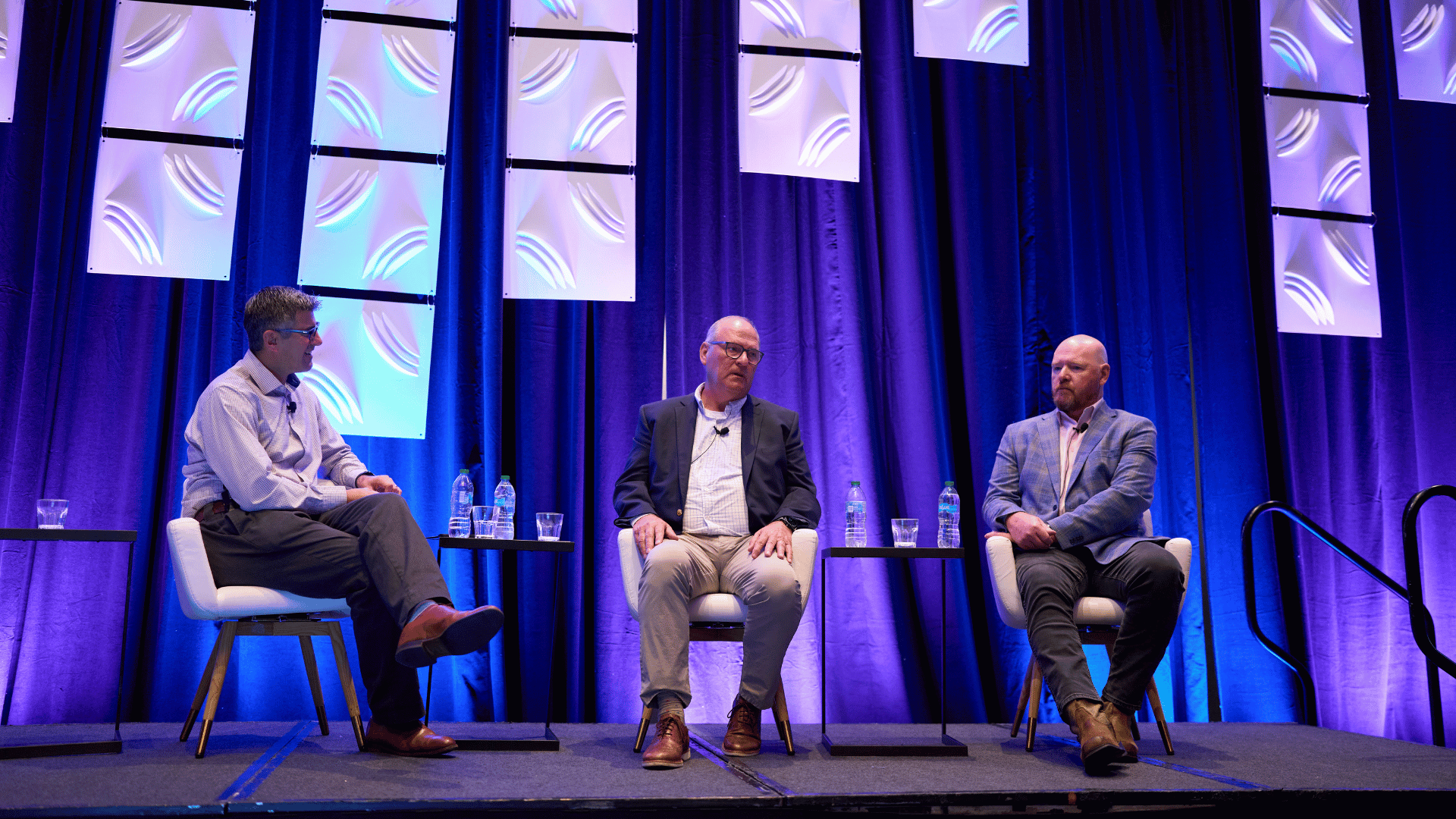
Explore the Agenda
Gain practical insights across the full data center project lifecycle - from site selection, power strategy and permitting through procurement, preconstruction, civil works, MEP integration and commissioning.
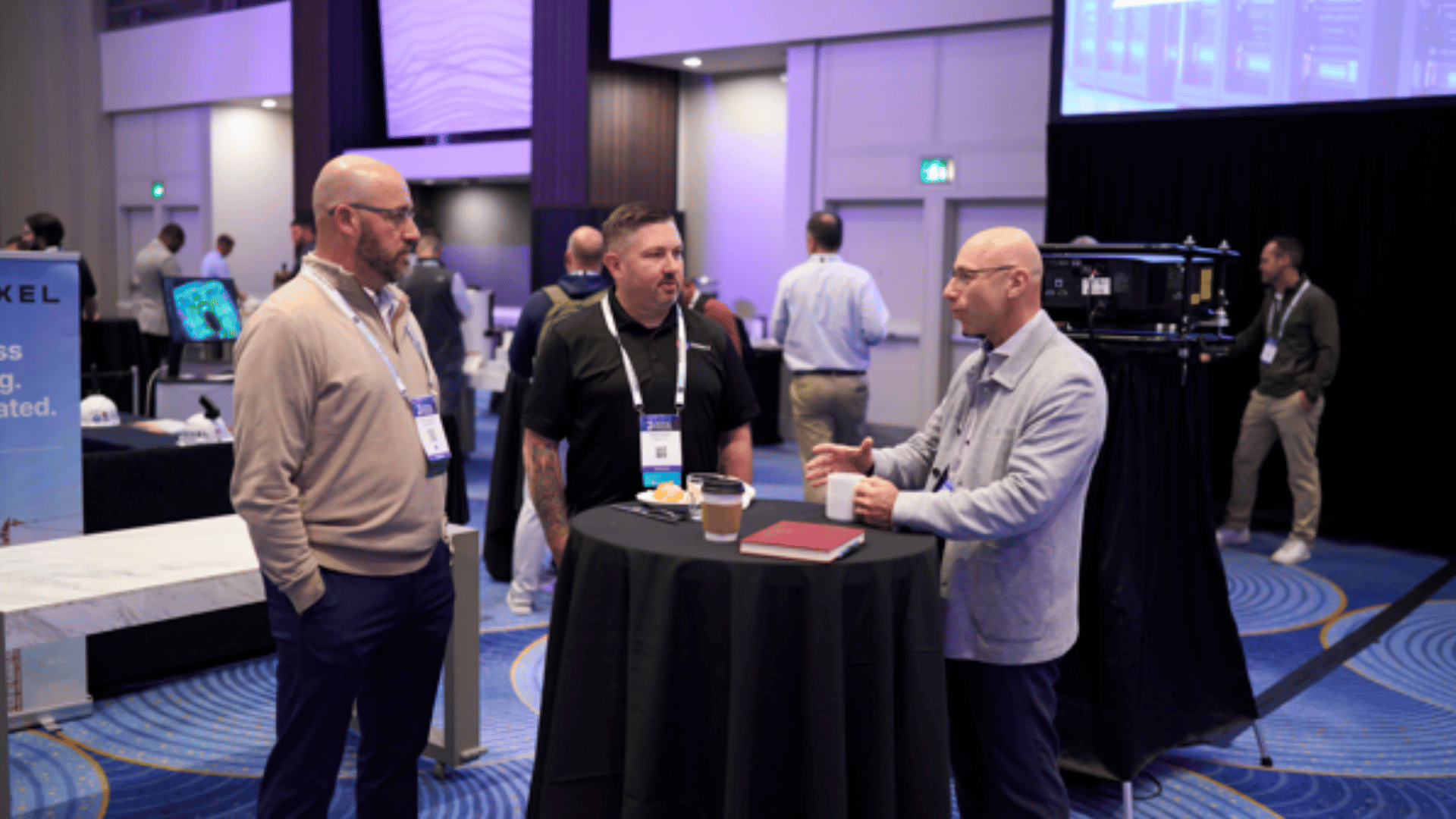
Partner With Us
Showcase your solutions to the decision-makers planning, designing and delivering the Eastern U.S.'s largest data center projects and generate high-value leads before, during and after the event.
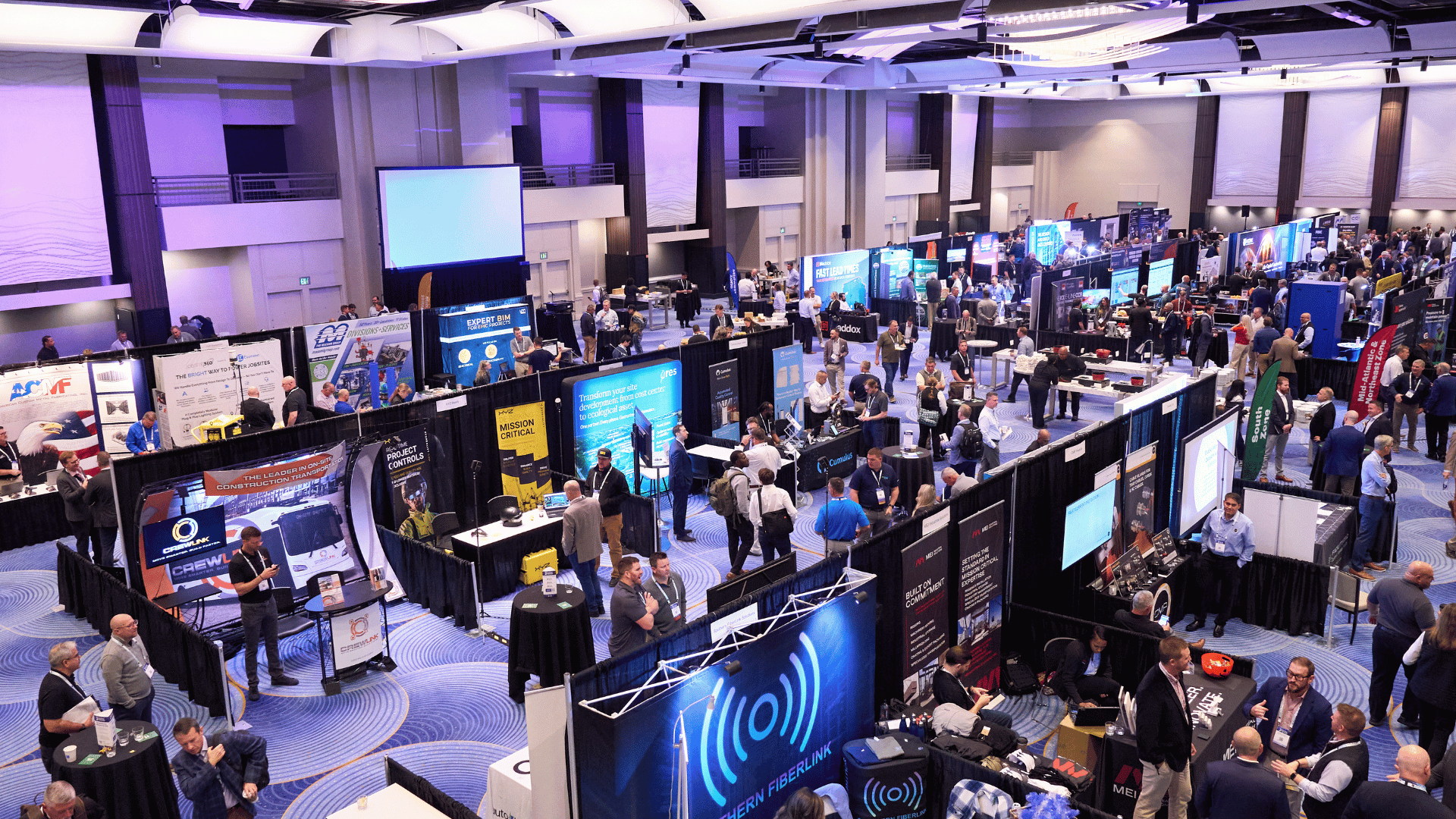
Join Data Center Leaders
Join the industry's most influential decision-makers from hyperscalers, colocators, developers, utilities, designers and contractors driving the East's next generation of data centers.